
All places · · 2 min
What to pack and wear for trail running
From a sunny coastal track to an alpine summit. A kit list that scales with the run, and why each item is on it.
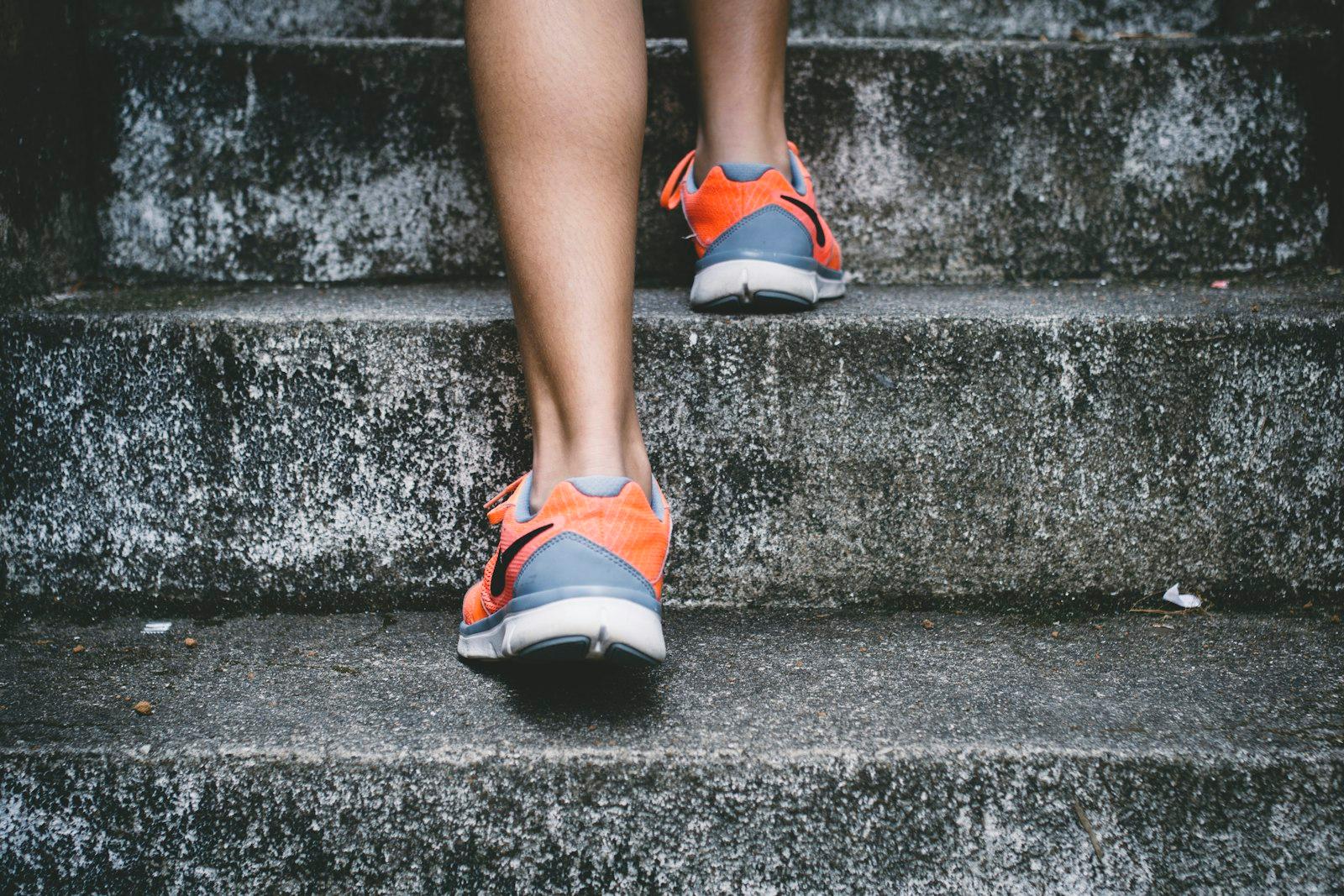
What to carry depends on three things: how long you will be out, how far you will be from help, and how fast the weather can change. A 5 km coastal loop and a 16 km alpine summit need very different kit.
Every run
- Shoes with grip. Lugged trail shoes for loose gravel, mud and sand. Road shoes are fine on compacted gravel paths like the Frankton Track.
- Merino or synthetic socks. Cotton holds water and causes blisters.
- Phone, charged, with the route downloaded offline. Most trails here lose signal somewhere.
- Water if you will be out longer than 45 minutes, or at all in the heat.
Coastal runs (Jervis Bay, Mollymook)
The risks on the coast are sun, heat and tide.
- A cap, sunglasses and sunscreen. The Australian UV index is extreme for much of the summer, even on cloudy days.
- About 500 ml of water an hour in summer heat. The heath tracks have little shade.
- Gaiters, or shoes with a tight mesh, if you will be on sand. Sand in your socks ends a run.
- Tide times for any beach section. Beach links are much faster below the high-tide line, and some headlands cut off at high tide.
- Snake awareness from spring to autumn. Watch the track in the heath, and give snakes room. They will move on.
Alpine runs (Wānaka, Queenstown)
In the mountains the weather can change in an hour, and it gets about 6°C colder for every 1,000 m you climb. Pack for the summit, not the car park.
- A waterproof and windproof jacket with a hood, even on a blue-sky day.
- A warm layer, a beanie and light gloves.
- 1–1.5 L of water. There is none on Roys Peak or above the gondola on Ben Lomond.
- Food: something every 45 minutes once you are past an hour.
- A headtorch if there is any chance of finishing after dark, or for sunrise starts.
- A small first aid kit and an emergency foil blanket.
- Microspikes from May to November, for snow and ice on the summits.
- For remote routes like Rob Roy, a personal locator beacon (PLB). They are available to hire in both towns.
Tell someone your plan before you go. In New Zealand, the AdventureSmart site lets you leave your intentions with a trusted contact, who raises the alarm if you are not back on time.
Vest or belt?
For runs under an hour, a belt or a soft flask in your hand is plenty. Once you need a jacket and food, a 5–12 L running vest carries it all without bouncing and keeps your hands free on the steep bits.