
All places · · 2 min
Starting trail running: pace, shoes and your first runs
Why you will be slower, why walking is allowed, and the easy gravel trails in each place to start on.
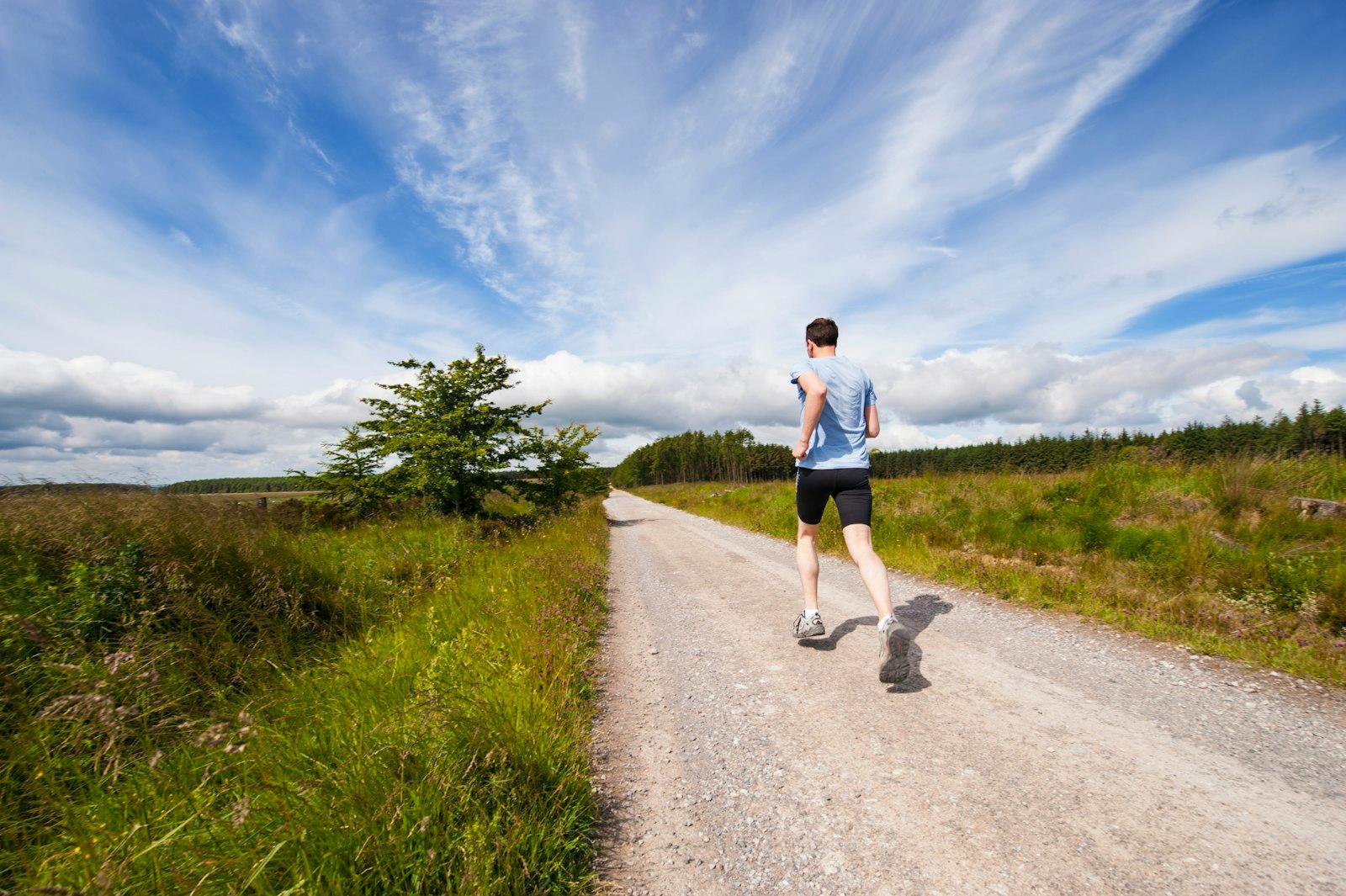
Trail running is running with the pace taken away. The sooner you stop checking your watch, the more you will enjoy it.
Run by time and effort, not pace
Expect to be slower than on the road, often by one to three minutes per kilometre on hilly or technical ground. Plan runs by time, not distance, and aim for an effort where you could still hold a conversation.
Walking is part of it
On steep climbs, power-hiking is often as fast as running and much cheaper on your legs. Hands on knees, short steps, steady breathing. Experienced trail runners walk the steep sections too.
Downhills
Take short, quick steps, keep your weight over your feet and look three or four metres ahead, not at your shoes. Most trail falls happen on easy ground when you stop paying attention, not on the steep bits.
Shoes
On smooth gravel paths, road shoes are fine. Once the ground gets loose, muddy or sandy, trail shoes with lugs grip far better. Look for a secure fit around the midfoot so your foot does not slide on descents.
Your first runs, by place
- Queenstown: the Frankton Track. 6 km of flat lakeside gravel from Queenstown Gardens.
- Wānaka: the Outlet Track to Albert Town. 5 km of gravel beside the river.
- Jervis Bay: the White Sands Walk and Scribbly Gum loop. A 2.5 km loop of beach and forest.
- Mollymook: the clifftop path to Bannisters Point. 2.6 km return with big views.
Building up
Increase your longest run by around 10–15 minutes a week, and add one hill at a time. Once an hour on gravel feels easy, try a loop with a climb: Mount Iron in Wānaka, Queenstown Hill or the Warden Head loop at Ulladulla.
Tell someone where you are going, carry your phone, and download the route offline. Trail signal is patchy almost everywhere.